Why Use a Face Serum for Acne-Prone Skin?
Unlike regular moisturizers, face serums are formulated with highly concentrated active ingredients that penetrate deeper into the skin. They address the root causes of acne instead of simply moisturizing the surface.
Benefits of Acne Serums
- Controls excess oil (sebum)
- Reduces active pimples
- Unclogs pores
- Minimizes blackheads and whiteheads
- Helps fade acne marks
- Improves skin texture
- Reduces redness and inflammation
- Prevents future breakouts
With regular use, a good serum can make your skincare routine more effective while giving you smoother and healthier-looking skin.
How to Choose the Right Acne Serum
Choosing the right serum depends on your skin concerns.
For Oily Skin
Choose serums containing:
- Niacinamide
- Zinc PCA
- Salicylic Acid
For Active Acne
Look for:
- Salicylic Acid (BHA)
- Azelaic Acid
- Tea Tree Extract
For Acne Marks
Best ingredients include:
- Niacinamide
- Alpha Arbutin
- Vitamin C
- Tranexamic Acid
For Acne Scars & Texture
Choose:
For Sensitive Acne-Prone Skin
Look for:
- Centella Asiatica
- Ceramides
- Panthenol
- Madecassoside
Best Face Serums for Acne-Prone Skin in India (2026)
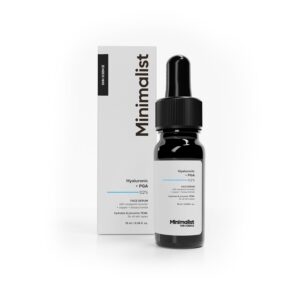
1. Minimalist 10% Niacinamide Face Serum
Best For: Oily and acne-prone skin
Key Ingredients
Pros
- Controls excess oil
- Reduces acne marks
- Minimizes enlarged pores
- Lightweight formula
- Fragrance-free
Cons
- May take several weeks to show visible results.
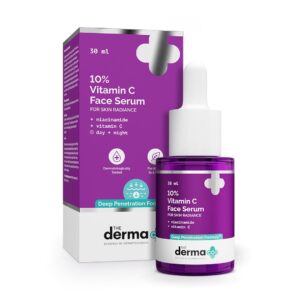
2. The Derma Co 2% Salicylic Acid Face Serum
Best For: Active acne and clogged pores
Key Ingredients
- 2% Salicylic Acid
- Witch Hazel
Pros
- Clears clogged pores
- Reduces pimples
- Controls blackheads
- Lightweight texture
Cons
- Can be drying if overused.
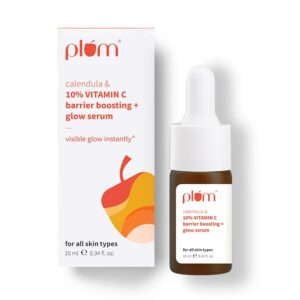
3. Plum 10% Niacinamide Face Serum
Best For: Acne marks and oily skin
Key Ingredients
Pros
- Brightens skin
- Reduces pigmentation
- Controls oil
- Suitable for beginners
Cons
- Slow results on stubborn acne scars.
4. Deconstruct Pore Control Serum
Best For: Enlarged pores
Key Ingredients
- Salicylic Acid
- Niacinamide
Pros
- Smooth skin texture
- Controls oil
- Reduces breakouts
- Beginner-friendly
Cons
- Mild tingling may occur initially.
5. COSRX The Niacinamide 15 Serum
Best For: Persistent acne
Key Ingredients
Pros
- Strong oil control
- Helps reduce acne
- Lightweight
- Suitable for oily skin
Cons
- High niacinamide concentration may not suit sensitive skin.
6. The Ordinary Niacinamide 10% + Zinc 1%
Best For: Daily acne control
Key Ingredients
Pros
- Affordable
- Controls sebum
- Improves skin tone
- Reduces blemishes
Cons
- Texture may pill under some moisturizers.
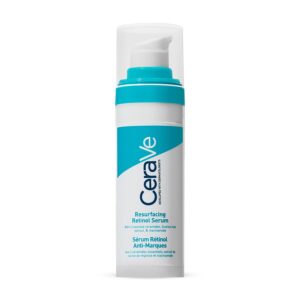
7. CeraVe Resurfacing Retinol Serum
Best For: Acne scars
Key Ingredients
- Encapsulated Retinol
- Ceramides
- Niacinamide
Pros
- Improves skin texture
- Fades acne scars
- Supports skin barrier
Cons
- Requires regular sunscreen use.
8. La Roche-Posay Effaclar Ultra Concentrated Serum
Best For: Adult acne
Key Ingredients
- Salicylic Acid
- Glycolic Acid
- LHA
Pros
- Exfoliates effectively
- Smooths rough skin
- Reduces breakouts
Cons
9. Pilgrim 2% Salicylic Acid Serum
Best For: Budget-conscious buyers
Key Ingredients
Pros
- Affordable
- Gentle exfoliation
- Controls acne
- Lightweight
Cons
- Less effective on severe acne.
10. Paula’s Choice 2% BHA Liquid Exfoliant
Best For: Blackheads and clogged pores
Key Ingredients
Pros
- Deep pore cleansing
- Reduces blackheads
- Improves texture
- Dermatologist-recommended
Cons
- Expensive compared to local alternatives.
Comparison Table
| Product | Best For | Key Ingredient | Skin Type |
|---|
| Minimalist 10% Niacinamide | Oil Control | Niacinamide | Oily |
| The Derma Co Salicylic Acid | Active Acne | Salicylic Acid | Oily |
| Plum Niacinamide | Acne Marks | Niacinamide | Combination |
| Deconstruct Pore Control | Enlarged Pores | Salicylic Acid | Oily |
| COSRX Niacinamide 15 | Persistent Acne | Niacinamide | Oily |
| The Ordinary Niacinamide | Daily Use | Niacinamide | Combination |
| CeraVe Retinol | Acne Scars | Retinol | Normal |
| La Roche-Posay Effaclar | Adult Acne | Salicylic Acid | Oily |
| Pilgrim Salicylic Acid | Budget Pick | Salicylic Acid | Oily |
| Paula’s Choice BHA | Blackheads | Salicylic Acid | Combination |
Niacinamide vs Salicylic Acid vs Retinol
| Ingredient | Best For | Benefits | When to Use |
|---|
| Niacinamide | Oily skin, acne marks | Controls oil, reduces redness, strengthens skin barrier | Morning or night |
| Salicylic Acid | Pimples, clogged pores | Exfoliates pores, reduces blackheads and whiteheads | Night, 2–4 times weekly or as tolerated |
| Retinol | Acne scars, uneven texture | Boosts skin renewal, smooths skin, fades scars | Night only |
Which One Should You Choose?
- Choose Niacinamide if your skin is oily and prone to acne marks.
- Choose Salicylic Acid if you frequently experience active pimples, blackheads, or clogged pores.
- Choose Retinol if your main concern is acne scars, rough texture, or signs of aging.
- Avoid using strong salicylic acid and retinol together in the same routine unless your skin is already accustomed to both.
How to Apply Acne Serum Correctly
- Cleanse your face with a gentle face wash.
- Pat your skin dry.
- Apply 2–3 drops of serum evenly over the face.
- Allow it to absorb for about a minute.
- Follow with a moisturizer to lock in hydration.
- In the morning, always finish with a broad-spectrum sunscreen (SPF 30 or higher).
Usage Tips
- Patch test any new serum before full application.
- Introduce active ingredients gradually to minimize irritation.
- Avoid combining multiple strong exfoliating acids in the same routine unless advised by a dermatologist.
Common Mistakes to Avoid
- Using too many active ingredients at once.
- Skipping sunscreen while using retinol or exfoliating acids.
- Applying more serum than recommended.
- Expecting overnight results.
- Frequently switching products without giving them time to work.
- Picking or squeezing pimples.
- Not moisturizing oily skin.
- Ignoring ingredient compatibility.
Frequently Asked Questions
Which serum is best for acne-prone skin?
Niacinamide and salicylic acid serums are among the best options for managing acne-prone skin. The right choice depends on whether your main concern is oiliness, active breakouts, or acne marks.
Can I use niacinamide every day?
Yes. Most people can use niacinamide once or twice daily as part of their regular skincare routine.
Is salicylic acid good for acne?
Yes. Salicylic acid penetrates pores to remove excess oil and dead skin cells, making it effective for pimples, blackheads, and whiteheads.
Can retinol help with acne scars?
Yes. Retinol promotes skin cell turnover and can gradually improve the appearance of acne scars and uneven skin texture with consistent use.
How long does an acne serum take to work?
Many people notice improvements within 4–8 weeks, although fading acne marks and scars may take several months of regular use.
Should I moisturize after applying an acne serum?
Yes. Moisturizer helps maintain the skin barrier and can reduce dryness caused by active ingredients.
Final Verdict
Choosing the right face serum can make a noticeable difference in managing acne-prone skin. For oily skin and excess sebum, Minimalist 10% Niacinamide and The Ordinary Niacinamide 10% + Zinc 1% are excellent choices. If active breakouts and clogged pores are your main concern, The Derma Co 2% Salicylic Acid Serum and Paula’s Choice 2% BHA Liquid Exfoliant are effective options. For improving acne scars and skin texture, CeraVe Resurfacing Retinol Serum is a strong pick.
Remember that consistency is key. Pair your serum with a gentle cleanser, a non-comedogenic moisturizer, and daily sunscreen to achieve healthier, clearer skin over time. Before introducing potent active ingredients, especially if you have sensitive skin, perform a patch test and consult a dermatologist if needed. This approach will help you build a skincare routine that supports long-term skin health while minimizing irritation.