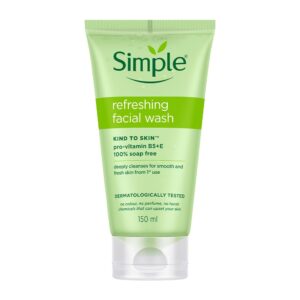
The rainy season brings cooler temperatures and relief from the summer heat, but it also increases humidity levels. While the weather may feel pleasant, excess moisture in the air can cause your skin to produce more oil than usual. This often leads to greasy skin, clogged pores, acne breakouts, and a dull complexion. If you have oily or combination skin, monsoon humidity can make your face look shiny within just a few hours of washing it. Fortunately, the right skincare routine and healthy habits can help you control excess oil without stripping your skin of its natural moisture. In this complete guide, you'll learn how to keep your skin oil-free during the rainy season with dermatologist-approved skincare tips, effective ingredients, and simple lifestyle changes.
Why Does Skin Become Oilier During the Rainy Season?
During the monsoon, humidity levels rise significantly. High humidity slows down the evaporation of sweat, causing oil and sweat to mix on your skin’s surface.
This creates the perfect environment for:
- Excess sebum production
- Clogged pores
- Blackheads
- Whiteheads
- Acne breakouts
- Sticky skin
- Bacterial growth
Even people with normal skin may notice increased oiliness during this season.
Signs Your Skin Is Producing Too Much Oil
You may have excess sebum production if you notice:
- Oily shine within 2–3 hours after washing
- Enlarged pores
- Frequent acne
- Makeup sliding off
- Sticky feeling on the face
- Blackheads around the nose
- Whiteheads on the forehead and chin
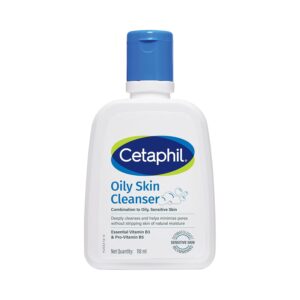
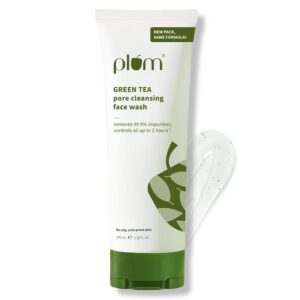
1. Wash Your Face Twice Daily
Cleansing removes sweat, dirt, pollution, sunscreen residue, and excess oil.
Avoid washing more than three times a day because over-cleansing can trigger even more oil production.
Choose a gentle cleanser containing:
- Salicylic Acid
- Niacinamide
- Tea Tree Oil
- Green Tea Extract
- Zinc PCA
Avoid harsh soaps that leave your skin feeling tight.
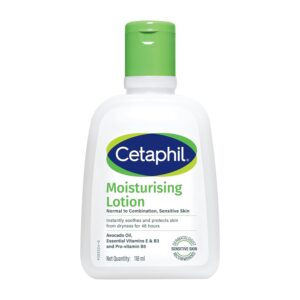
2. Never Skip Moisturizer
Many people think oily skin doesn’t need moisturizer.
This is a myth.
When your skin becomes dehydrated, it compensates by producing even more oil.
Instead, choose:
- Oil-free moisturizer
- Gel moisturizer
- Water-based moisturizer
- Non-comedogenic formulas
Ingredients to look for include:
- Hyaluronic Acid
- Aloe Vera
- Glycerin
- Panthenol
- Ceramides
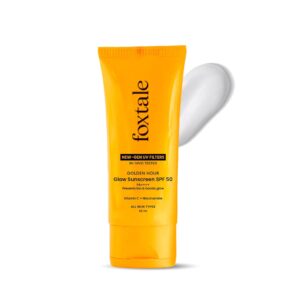
3. Apply Sunscreen Every Day
UV rays penetrate clouds even during rainy weather.
Skipping sunscreen can lead to:
- Pigmentation
- Premature aging
- Sun damage
- Increased inflammation
Choose:
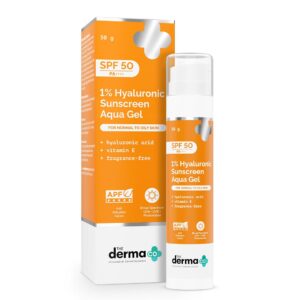
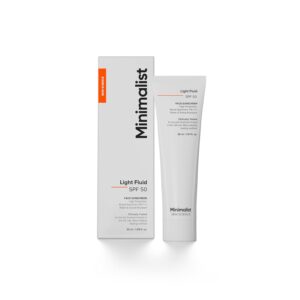
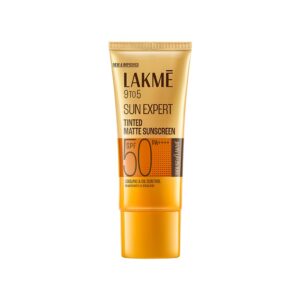
- SPF 30–50
- Gel sunscreen
- Matte finish sunscreen
- Oil-free sunscreen
Reapply every 2–3 hours if you’re outdoors.
4. Use Blotting Papers
Instead of washing your face repeatedly, gently press oil-absorbing blotting papers on oily areas.
Benefits:
- Removes excess shine
- Doesn’t disturb makeup
- Prevents clogged pores
- Keeps skin fresh
5. Exfoliate 1–2 Times Weekly
Dead skin cells mixed with oil block pores.
Use gentle chemical exfoliants like:
- Salicylic Acid (BHA)
- Mandelic Acid
- Lactic Acid
Avoid harsh scrubs that can irritate your skin.
6. Add Niacinamide to Your Routine
Niacinamide is one of the best ingredients for oily skin.
Benefits include:
- Controls oil production
- Reduces enlarged pores
- Brightens skin
- Strengthens skin barrier
- Reduces acne marks
A 5–10% niacinamide serum works well for most skin types.
7. Clay Masks Once Weekly
Clay absorbs excess sebum without damaging the skin barrier.
Popular options:
- Kaolin Clay
- Bentonite Clay
- Multani Mitti (occasionally)
- French Green Clay
Use once a week.
Avoid daily use.
8. Remove Makeup Properly
Sleeping with makeup blocks pores and increases acne risk.
Double cleansing is recommended:
Step 1:
Oil cleanser or micellar water
Step 2:
Gentle face wash
This removes:
- Waterproof sunscreen
- Foundation
- Dirt
- Excess oil
9. Avoid Touching Your Face
Hands carry bacteria, dirt, and oil.
Frequently touching your face can:
- Transfer bacteria
- Cause acne
- Increase inflammation
Keep your hands clean and avoid resting your face on them.
10. Stay Hydrated
Drink enough water throughout the day.
Hydrated skin functions better and is less likely to overproduce oil due to dehydration.
Aim for:
- 2–3 liters of water daily
Include:
- Coconut water
- Fresh fruits
- Water-rich vegetables
11. Eat Skin-Friendly Foods
Your diet influences skin health.
Eat More
- Cucumbers
- Tomatoes
- Watermelon
- Berries
- Leafy greens
- Nuts
- Yogurt
- Green tea
Reduce
- Sugary snacks
- Fried foods
- Soft drinks
- Excess dairy (if it triggers acne)
- Highly processed foods
12. Keep Hair Clean
Oily hair transfers oil to your forehead and temples.
Wash your hair regularly, especially during humid weather.
Avoid heavy hair oils touching your face.
13. Change Pillow Covers Frequently
Dirty pillowcases collect:
Replace them every 3–4 days.
14. Use Lightweight Makeup
Heavy makeup melts faster during monsoon.
Choose:
- Oil-free primer
- Matte foundation
- Non-comedogenic concealer
- Setting powder
- Makeup setting spray
15. Don’t Overuse Face Powder
Powder controls shine temporarily but excessive use can clog pores.
Use blotting paper first, then lightly dust translucent powder if needed.
Morning Monsoon Skincare Routine
- Gentle cleanser
- Niacinamide serum
- Gel moisturizer
- Matte sunscreen SPF 50
- Lightweight makeup (optional)
Evening Routine
- Micellar water
- Face wash
- Salicylic acid serum (2–3 nights weekly)
- Moisturizer
- Spot treatment (if required)
Weekly Routine
- Clay mask once weekly
- Gentle exfoliation once or twice weekly
- Wash makeup brushes
- Change pillow covers
- Clean phone screen
Best Ingredients for Oily Skin During Monsoon
| Ingredient | Benefits |
|---|
| Salicylic Acid | Deep cleans pores |
| Niacinamide | Controls oil production |
| Zinc PCA | Reduces sebum |
| Tea Tree Oil | Helps reduce acne |
| Green Tea Extract | Antioxidant protection |
| Hyaluronic Acid | Hydrates without oiliness |
| Aloe Vera | Soothes irritation |
| Ceramides | Protect skin barrier |
Common Mistakes to Avoid
- Washing your face too often
- Skipping moisturizer
- Using alcohol-based toners
- Sleeping with makeup
- Picking pimples
- Using heavy creams
- Over-exfoliating
- Ignoring sunscreen
- Touching your face frequently
DIY Remedies for Oil Control
Green Tea Toner
Brew green tea, cool it, and use as a refreshing toner.
Aloe Vera Gel
Apply a thin layer after cleansing to soothe and hydrate.
Cucumber Mask
Blend cucumber into a paste and apply for 10–15 minutes to cool and refresh the skin.
Tip: Always do a patch test before trying any DIY remedy.
Frequently Asked Questions (FAQs)
Can oily skin become worse during the rainy season?
Yes. Increased humidity can stimulate excess oil production, making the skin look shinier and increasing the risk of clogged pores and acne.
Should I use moisturizer if my skin is oily?
Yes. Choose a lightweight, oil-free, non-comedogenic moisturizer to keep your skin hydrated without adding excess grease.
Is sunscreen necessary during monsoon?
Absolutely. UV rays can penetrate clouds, so daily sunscreen helps protect against sun damage and pigmentation.
How often should I exfoliate oily skin?
Exfoliate 1–2 times a week with a gentle chemical exfoliant like salicylic acid. Avoid over-exfoliating, as it can irritate the skin.
Can blotting papers replace face washing?
No. Blotting papers only absorb excess oil temporarily. You should still cleanse your face twice daily for proper hygiene.
Final Thoughts
Keeping your skin oil-free during the rainy season doesn’t require harsh products or an overly complicated routine. The key is maintaining a consistent skincare regimen that balances oil production while protecting your skin barrier. Focus on gentle cleansing, lightweight hydration, daily sunscreen, and ingredients like niacinamide and salicylic acid to manage excess shine and reduce breakouts.
Remember that healthy skin isn’t about removing every trace of oil—it’s about achieving the right balance. Pair your skincare routine with good hygiene, a nutritious diet, and adequate hydration to enjoy a fresh, clear, and healthy complexion throughout the monsoon. With the right habits, you can confidently keep your skin looking matte, comfortable, and glowing all season long.