Sensitive skin has a more reactive skin barrier than normal skin. When the barrier is damaged, it struggles to retain moisture and protect against irritants.
Common causes include:
- Cold or dry weather
- Excessive face washing
- Using harsh cleansers
- Over-exfoliating with acids or scrubs
- Hot showers
- Fragrance-heavy skincare products
- Retinoid overuse
- Air conditioning and indoor heating
- Dehydration
When the skin barrier is compromised, dead skin cells accumulate on the surface, leading to visible flaking and roughness.
Signs Your Skin Barrier May Be Damaged
If you have sensitive skin, watch for these signs:
- Tightness after cleansing
- Visible flakes or peeling
- Redness and irritation
- Stinging when applying products
- Increased sensitivity
- Rough patches
- Itchy skin
These symptoms often indicate that your skin needs hydration and barrier repair.
Step 1: Use a Gentle Cleanser
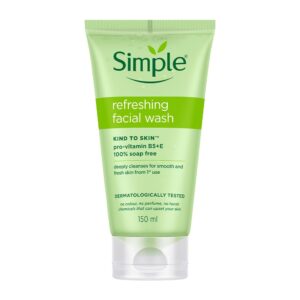
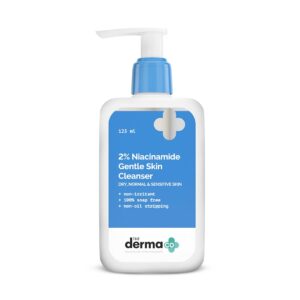
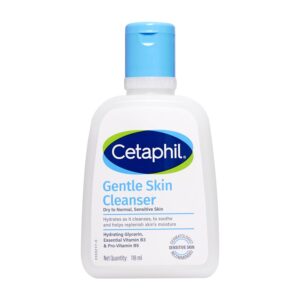
The first step in managing dry and flaky skin is choosing a mild cleanser.
Look for:
- Sulfate-free formulas
- Fragrance-free products
- Hydrating ingredients like glycerin
Avoid:
- Harsh foaming cleansers
- Alcohol-heavy formulas
- Physical scrubs
A gentle cleanser removes dirt without stripping your skin’s natural oils.
Step 5: Reduce Common Triggers
Small lifestyle changes can make a significant difference.
Avoid Hot Water
Use lukewarm water when washing your face.
Limit Long Showers
Extended exposure to water can strip natural oils.
Use a Humidifier
Adding moisture to indoor air helps prevent dehydration.
Stay Hydrated
Drink enough water throughout the day.
Choose Soft Towels
Pat skin dry instead of rubbing.
Ingredients to Avoid During Flare-Ups
When your skin is flaky and irritated, avoid:
- Fragrance
- Essential oils
- Harsh scrubs
- High concentrations of acids
- Alcohol-based toners
- Strong retinoids
These ingredients may worsen irritation and delay recovery.
Simple Morning Routine for Dry, Sensitive Skin
- Gentle cleanser
- Hydrating serum (optional)
- Moisturizer
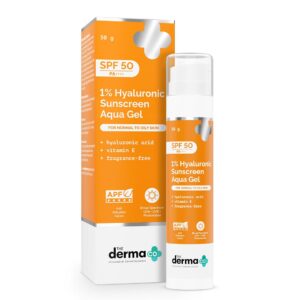
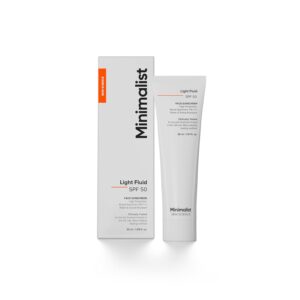
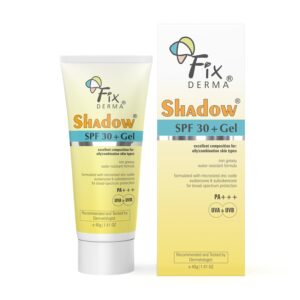
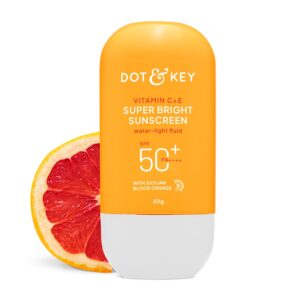
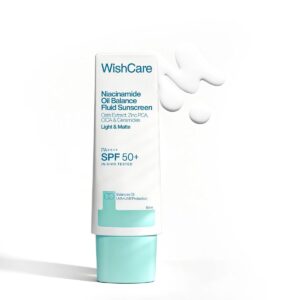
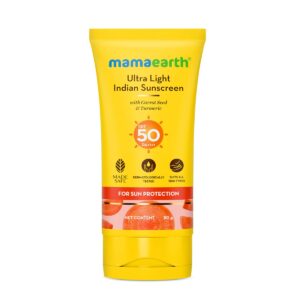
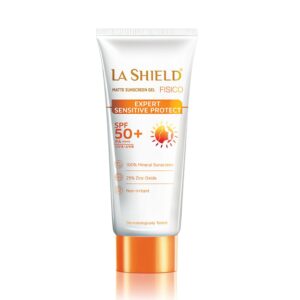
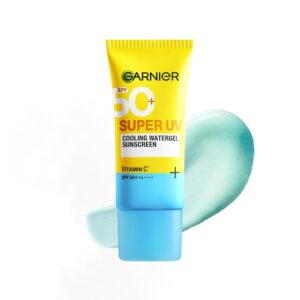
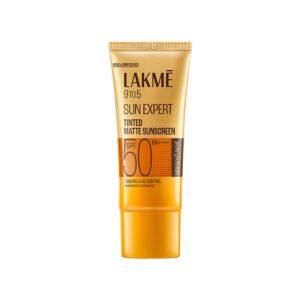
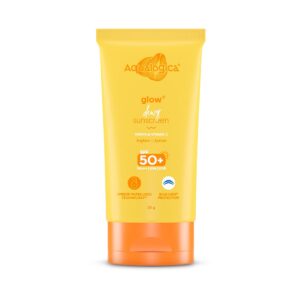
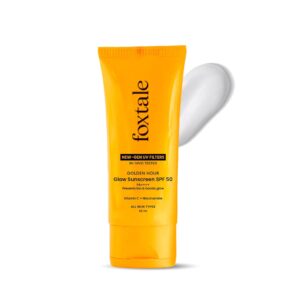
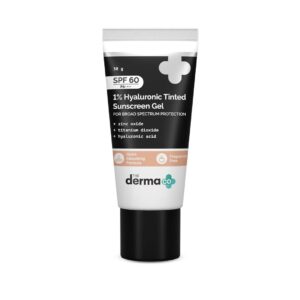
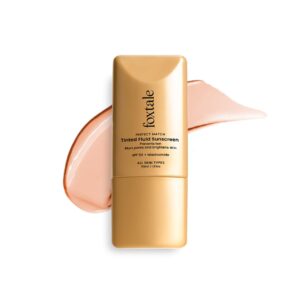
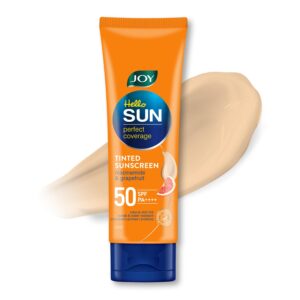
- Sunscreen SPF 30+
This routine helps maintain hydration throughout the day.
Simple Night Routine for Dry, Sensitive Skin
- Gentle cleanser
- Moisturizer with ceramides
- Occlusive layer (if needed)
At night, your skin naturally repairs itself, making this the perfect time to focus on barrier recovery.
When Should You See a Dermatologist?
Consult a dermatologist if you experience:
- Severe redness
- Persistent itching
- Cracked or bleeding skin
- Symptoms lasting several weeks
- Painful rashes
Dryness and flaking can sometimes be linked to conditions such as eczema, dermatitis, or psoriasis that require professional treatment.
Frequently Asked Questions
Why is my skin flaky even after moisturizing?
Your skin barrier may be damaged. Moisturizers help, but barrier repair can take several days or weeks.
Can exfoliation remove flaky skin?
Exfoliation may worsen irritation during flare-ups. Focus on hydration and barrier repair first.
Which ingredient is best for sensitive dry skin?
Ceramides are among the most effective ingredients for restoring the skin barrier.
How long does it take to repair a damaged skin barrier?
Mild damage may improve within a few days, while severe barrier damage can take several weeks.
Is hyaluronic acid good for sensitive skin?
Yes, hyaluronic acid helps attract moisture and supports hydration when used correctly.
Managing dryness and flaking in sensitive skin starts with protecting and repairing your skin barrier. By using gentle cleansers, moisturizing regularly, avoiding harsh ingredients, and wearing sunscreen daily, you can significantly improve your skin's comfort and appearance. Consistency is key. Rather than relying on aggressive treatments, focus on hydration, barrier-supporting ingredients, and a simple skincare routine. Over time, your skin will become healthier, smoother, and less prone to irritation and flaking.