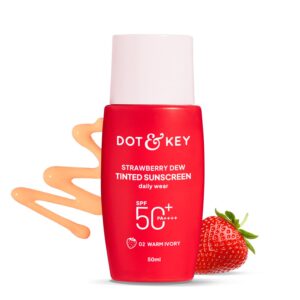
Why Sunscreen Is Essential
Before discussing the mistakes, it’s important to understand what sunscreen actually does.
Sunscreen helps protect your skin from:
- UVA rays (aging and wrinkles)
- UVB rays (sunburn)
- Hyperpigmentation
- Dark spots
- Melasma
- Skin cancer risk
- Premature aging
- Uneven skin tone
Using sunscreen correctly every single day is one of the most effective anti-aging habits you can develop.
Mistake #1 – Applying Too Little Sunscreen
This is the biggest reason sunscreen fails.
Most people use only a tiny amount, covering just part of their face.
The Correct Amount
For your face and neck, use:
- Two-finger rule (index and middle finger)
- Approximately ¼ teaspoon
For the body:
- Around one shot glass (30 ml)
Using half the recommended amount can dramatically reduce the actual SPF protection you receive.
Why It Matters
If your SPF 50 sunscreen is applied too thinly, you may only receive protection similar to SPF 15 or SPF 20.
Mistake #2 – Not Reapplying Sunscreen
Many people apply sunscreen once in the morning and assume they’re protected all day.
Unfortunately, sunscreen wears off due to:
- Sweat
- Oil production
- Touching your face
- Swimming
- Towel drying
- Sun exposure
Reapply Every
- Every 2 hours outdoors
- Immediately after swimming
- After excessive sweating
- After wiping your face
Mistake #3 – Applying Sunscreen Too Late
Sunscreen doesn’t always work instantly.
Chemical sunscreens usually need:
15–20 minutes before sun exposure.
Mineral sunscreens begin working immediately but still benefit from even application.
If you apply sunscreen after stepping outside, your skin has already been exposed.
Mistake #4 – Skipping Sunscreen on Cloudy Days
Many people assume clouds block UV rays.
This is false.
Up to 80% of UV rays can pass through clouds.
Even during:
- Rainy weather
- Winter
- Monsoon
- Foggy mornings
UV exposure continues.
Cloud cover does not equal sun protection.
Mistake #5 – Forgetting Important Areas
People usually apply sunscreen only on the cheeks and forehead.
They forget:
- Neck
- Ears
- Hairline
- Eyelids
- Nose
- Lips
- Hands
- Feet
These exposed areas often develop pigmentation first.
Mistake #6 – Choosing the Wrong Sunscreen
Not every sunscreen suits every skin type.
Oily Skin
Choose:
- Gel sunscreen
- Oil-free formula
- Matte finish
- Non-comedogenic
Dry Skin
Look for:
- Cream sunscreen
- Hyaluronic Acid
- Ceramides
- Glycerin
Sensitive Skin
Choose:
- Mineral sunscreen
- Zinc Oxide
- Titanium Dioxide
- Fragrance-free formula
Mistake #7 – Ignoring SPF and PA Ratings
Many buyers only notice SPF.
However, both SPF and PA matter.
SPF Protects Against
UVB rays
PA Rating Protects Against
UVA rays
Choose:
- SPF 30 or higher
- SPF 50 for prolonged outdoor exposure
- PA+++ or PA++++
This provides balanced protection against tanning and aging.
Mistake #8 – Depending Only on Makeup with SPF
Foundation, BB cream, or tinted moisturizer often contains SPF.
Unfortunately, makeup alone doesn’t provide enough protection because people don’t apply it in sufficient quantities.
Always use sunscreen first.
Think of makeup SPF as an additional layer—not a replacement.
Mistake #9 – Using Expired Sunscreen
Sunscreen loses effectiveness over time.
Signs it has expired include:
- Strange smell
- Separation
- Changed texture
- Clumping
- Yellow color
Using expired sunscreen provides unreliable UV protection.
Always check the expiration date before use.
Mistake #10 – Believing Indoor Sunscreen Isn’t Necessary
Many people skip sunscreen at home.
However, UVA rays can penetrate:
- Windows
- Glass doors
- Car windows
Additionally, prolonged exposure to screens and indoor lighting may contribute to visible light exposure, particularly in people prone to pigmentation.
If you spend time near windows or drive regularly, daily sunscreen remains important.
How to Apply Sunscreen Correctly
Follow these simple steps:
Step 1
Complete your skincare routine.
Step 2
Apply moisturizer if needed.
Step 3
Use two fingers of sunscreen.
Step 4
Spread evenly across:
Step 5
Wait 15–20 minutes before sun exposure (for chemical sunscreens).
Step 6
Reapply every two hours outdoors.
Common Sunscreen Myths
Myth 1: Dark skin doesn’t need sunscreen.
Truth: Every skin tone can experience UV damage and pigmentation.
Myth 2: SPF 100 lasts all day.
Truth: All sunscreens require reapplication.
Myth 3: Sunscreen prevents Vitamin D completely.
Truth: Normal daily activities still allow some Vitamin D production.
Myth 4: Higher SPF means you don’t need to reapply.
Truth: Reapplication remains essential.
Myth 5: Sunscreen is only for summer.
Truth: UV rays are present year-round.
Tips for Maximum Sun Protection
- Apply sunscreen daily.
- Use SPF 30–50 with PA+++ or PA++++.
- Reapply every two hours outdoors.
- Wear sunglasses.
- Use a wide-brim hat.
- Seek shade during peak sunlight (10 AM–4 PM).
- Wear protective clothing.
- Store sunscreen away from excessive heat.
Pros and Cons of Daily Sunscreen Use
| Pros | Cons |
|---|
| Prevents sunburn | Needs frequent reapplication |
| Reduces tanning | Some formulas may feel greasy |
| Prevents premature aging | Trial may be needed to find the right formula |
| Helps reduce pigmentation | Can be expensive if used daily |
| Supports an even skin tone | May leave a white cast in some products |
| Lowers long-term UV damage | Requires consistent use |
Frequently Asked Questions
Can I skip sunscreen if I stay indoors?
No. UVA rays can enter through windows, and daily protection is recommended if you’re exposed to daylight.
Is SPF 30 enough?
Yes, for most everyday situations. SPF 50 offers extra protection during prolonged outdoor exposure.
Should I wear sunscreen in winter?
Absolutely. UV rays are present throughout the year.
Can sunscreen replace moisturizer?
Some hydrating sunscreens can, but many people still benefit from a separate moisturizer based on their skin type.
Does sunscreen stop tanning completely?
No sunscreen blocks 100% of UV rays, but proper application greatly reduces tanning and UV damage.
Conclusion
If your sunscreen doesn’t seem to be working, the issue is often your routine rather than the product itself. Applying too little, forgetting to reapply, choosing the wrong formula, or skipping protection on cloudy days can all reduce effectiveness.
By following the simple practices outlined in this guide—using the correct amount, selecting the right SPF and PA rating, covering all exposed areas, and reapplying consistently—you can maximize your sunscreen’s protection. Daily sunscreen use is one of the best investments you can make for healthier, brighter, and younger-looking skin, helping to prevent sunburn, pigmentation, wrinkles, and long-term UV damage.