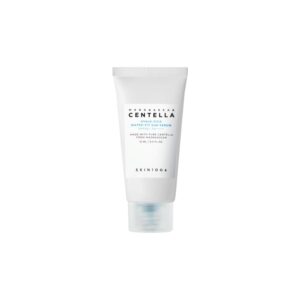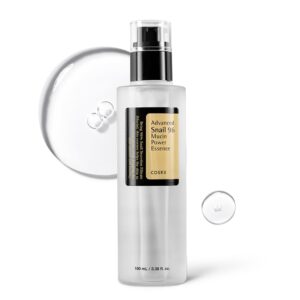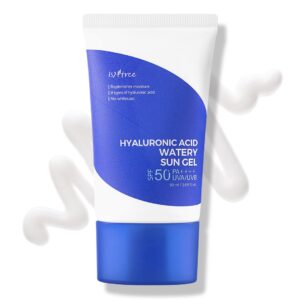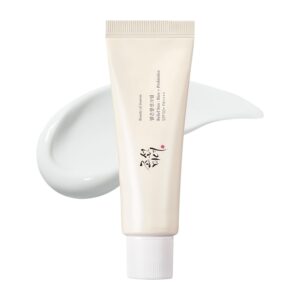
This post may contain affiliate links. If you purchase through these links, we may earn a small commission at no extra cost to you
If you've ever searched for glowing skin products, you've probably come across Korean skincare (K-Beauty) and Japanese skincare (J-Beauty). Both are famous worldwide for delivering healthy, radiant, youthful-looking skin, but they follow different philosophies, routines, and ingredient choices. So, which one is better—Korean or Japanese skincare? The answer depends on your skin type, lifestyle, and skincare goals. In this detailed guide, we'll compare Korean and Japanese skincare in terms of routines, ingredients, benefits, products, pricing, and effectiveness so you can confidently choose the right one for your skin.
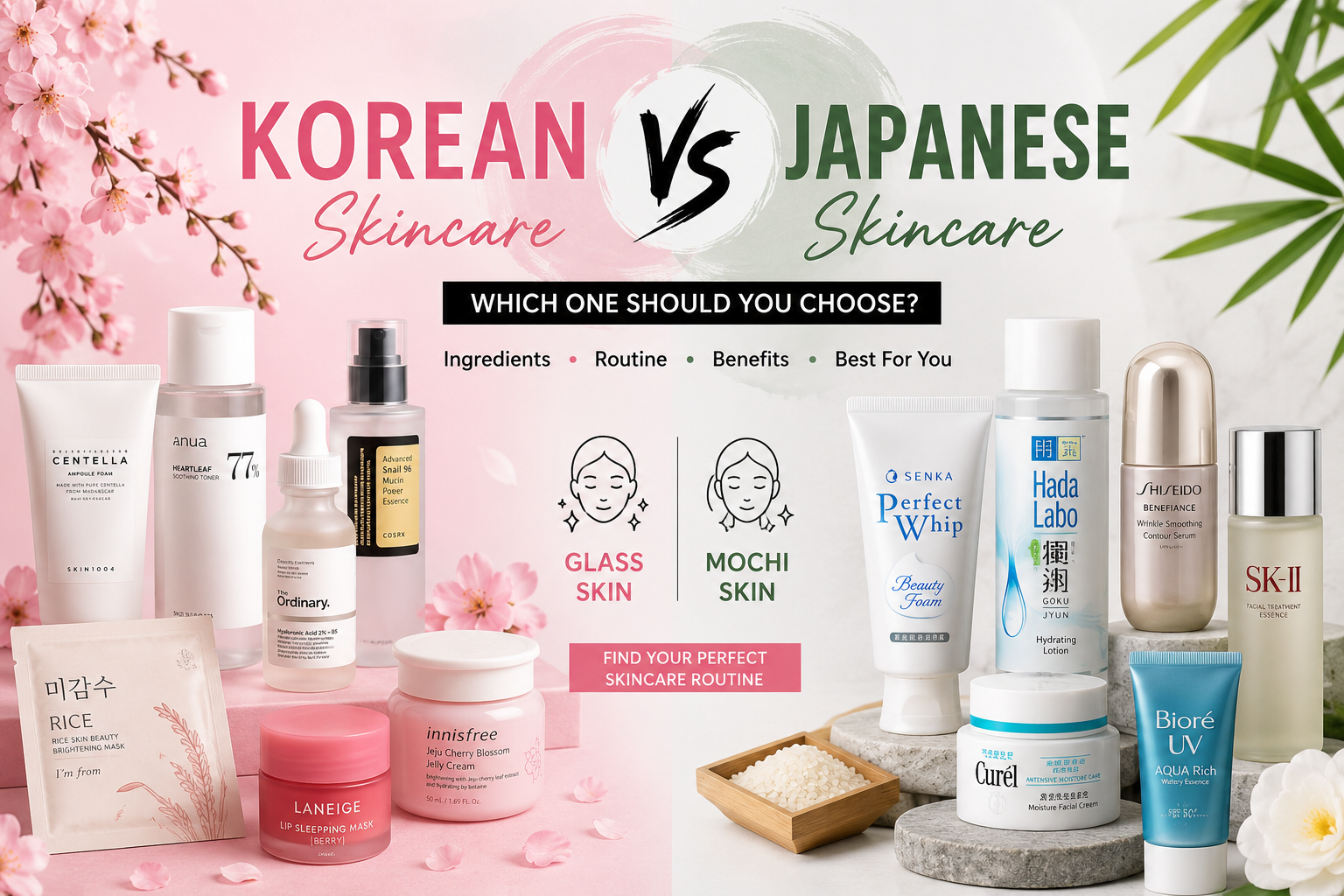
Korean skincare focuses on hydration, prevention, and achieving “glass skin.”
Rather than covering skin concerns with makeup, Korean skincare aims to improve the skin’s natural health through consistent care and multiple lightweight products.
The philosophy is simple:
Healthy skin is beautiful skin.
Korean skincare routines often include multiple layers of hydration to strengthen the skin barrier while keeping the complexion soft, smooth, and glowing.
Japanese skincare is built around simplicity, consistency, and long-term skin health.
Instead of following lengthy routines, Japanese skincare emphasizes using fewer products that deliver reliable results.
The focus is on:
Japanese skincare believes beautiful skin comes from maintaining balance rather than constantly treating problems.
| Feature | Korean Skincare | Japanese Skincare |
|---|---|---|
| Philosophy | Prevention & hydration | Simplicity & longevity |
| Routine Length | 7–10 steps | 4–6 steps |
| Best Known For | Glass skin | Mochi skin |
| Main Goal | Bright, glowing skin | Healthy, firm skin |
| Ingredients | Snail mucin, Centella, Rice, Propolis | Rice bran, Green tea, Camellia oil, Hyaluronic acid |
| Innovation | Very high | High but traditional |
| Packaging | Trendy & colorful | Elegant & minimal |
| Price Range | Budget to premium | Mid-range to luxury |
| Best For | Dry, dull, acne-prone skin | Sensitive, mature, combination skin |
The famous Korean skincare routine usually includes:
Removes sunscreen, makeup, and excess oil.
Deep cleans dirt and sweat.
Removes dead skin cells.
Balances the skin and prepares it for hydration.
A lightweight product that deeply hydrates and nourishes.
Targets acne, pigmentation, dullness, or fine lines.
Provides intense hydration.
Hydrates the delicate eye area.
Locks in moisture.
Protects against UV damage.
Japanese skincare follows a simpler routine:
Removes makeup and sunscreen gently.
Leaves the skin fresh without stripping moisture.
Unlike Western toners, Japanese lotions hydrate the skin deeply.
Addresses specific concerns.
Keeps the skin soft and healthy.
An essential everyday step.
One reason K-Beauty has become so popular is its innovative ingredients.
Perfect for:
Also called Cica.
Benefits:
Ideal for acne-prone skin.
Rich in antioxidants.
Helps:
Known for:
Provides intense hydration and plumps the skin.
Japanese skincare relies on time-tested natural ingredients.
Rich in vitamins and antioxidants.
Benefits include:
Loaded with antioxidants.
Helps reduce:
A centuries-old beauty secret.
Benefits:
Japanese brands pioneered advanced hyaluronic acid formulations.
Help strengthen the skin barrier while improving hydration.
One of the biggest differences between Korean and Japanese skincare is the desired skin finish.
Glass skin looks:
This requires consistent hydration and multiple skincare layers.
Inspired by the soft Japanese rice cake.
Mochi skin is:
Rather than being shiny, mochi skin appears naturally youthful and smooth.
Winner: Korean Skincare
The multiple hydration layers make Korean skincare ideal for dry and dehydrated skin.
Tie.
Korean lightweight gel products work well, while Japanese gentle cleansers help balance excess oil.
Winner: Korean Skincare
Ingredients like:
help calm breakouts and repair acne marks.
Winner: Japanese Skincare
Japanese formulas are often fragrance-free, minimalist, and less likely to irritate delicate skin.
Winner: Japanese Skincare
Its emphasis on hydration, elasticity, and UV protection supports graceful aging.
✔ Innovative ingredients
✔ Affordable options
✔ Excellent hydration
✔ Great for glowing skin
✔ Wide variety for every skin concern
✘ Multi-step routine may feel time-consuming
✘ Trend-driven products can be overwhelming
✘ Too many layers may not suit everyone
✔ Simple routines
✔ Gentle formulations
✔ Excellent sunscreens
✔ Long-term skin health
✔ Great for sensitive skin
✘ Fewer trendy ingredient options
✘ Premium brands can be expensive
✘ Smaller product variety compared to K-Beauty
Some of the most loved Korean brands include:
These brands are widely available in India through trusted beauty retailers and online marketplaces.
Top Japanese skincare brands include:
These brands are especially known for their cleansers, lotions, and high-quality sunscreens.
Generally:
Korean skincare offers more budget-friendly options with a huge range of products under different price points.
Japanese skincare tends to focus on quality over quantity. While there are affordable options, premium Japanese skincare can be significantly more expensive.
Absolutely!
Many skincare enthusiasts mix products from both routines.
For example:
This hybrid approach lets you enjoy the strengths of both skincare philosophies.
Choose Korean skincare if you:
Choose Japanese skincare if you:
Neither is universally better. Korean skincare focuses on hydration and innovation, while Japanese skincare emphasizes simplicity and long-term skin health. The best choice depends on your skin type and goals.
Yes. Beginners don’t need a 10-step routine. Start with a cleanser, toner, moisturizer, and sunscreen, then add treatments gradually.
Korean skincare is often preferred because it includes soothing ingredients like Centella Asiatica, tea tree, and snail mucin that help calm inflammation and support skin repair.
Japanese skincare is particularly strong in anti-aging thanks to its emphasis on daily sun protection, hydration, and barrier care. Korean skincare also offers effective anti-aging products with ingredients such as peptides and fermented extracts.
Yes. Mixing products from both skincare traditions is common and can work very well as long as the ingredients suit your skin.
Both Korean and Japanese skincare work well for Indian skin. If you struggle with acne, pigmentation, or dehydration, Korean skincare may be more suitable. If your skin is sensitive or you prefer a minimal routine, Japanese skincare is an excellent choice.
Both Korean and Japanese skincare have transformed the beauty industry, but they excel in different ways.
If your goal is radiant, hydrated, glass-like skin with innovative ingredients, Korean skincare is an excellent choice.
If you prefer a minimalist routine focused on healthy, resilient, and youthful skin, Japanese skincare may be the better fit.
Ultimately, the best skincare routine is one that matches your skin type, lifestyle, and consistency. Many people achieve the best results by combining products from both K-Beauty and J-Beauty—using gentle Japanese cleansers and sunscreens alongside hydrating Korean toners, serums, and essences.
Healthy skin isn’t about following trends—it’s about finding a routine you can maintain every day.
Select at least 2 products
to compare